Written by: Juan-Jose Rebaza Bustamante
San Diego, April 03, 2026
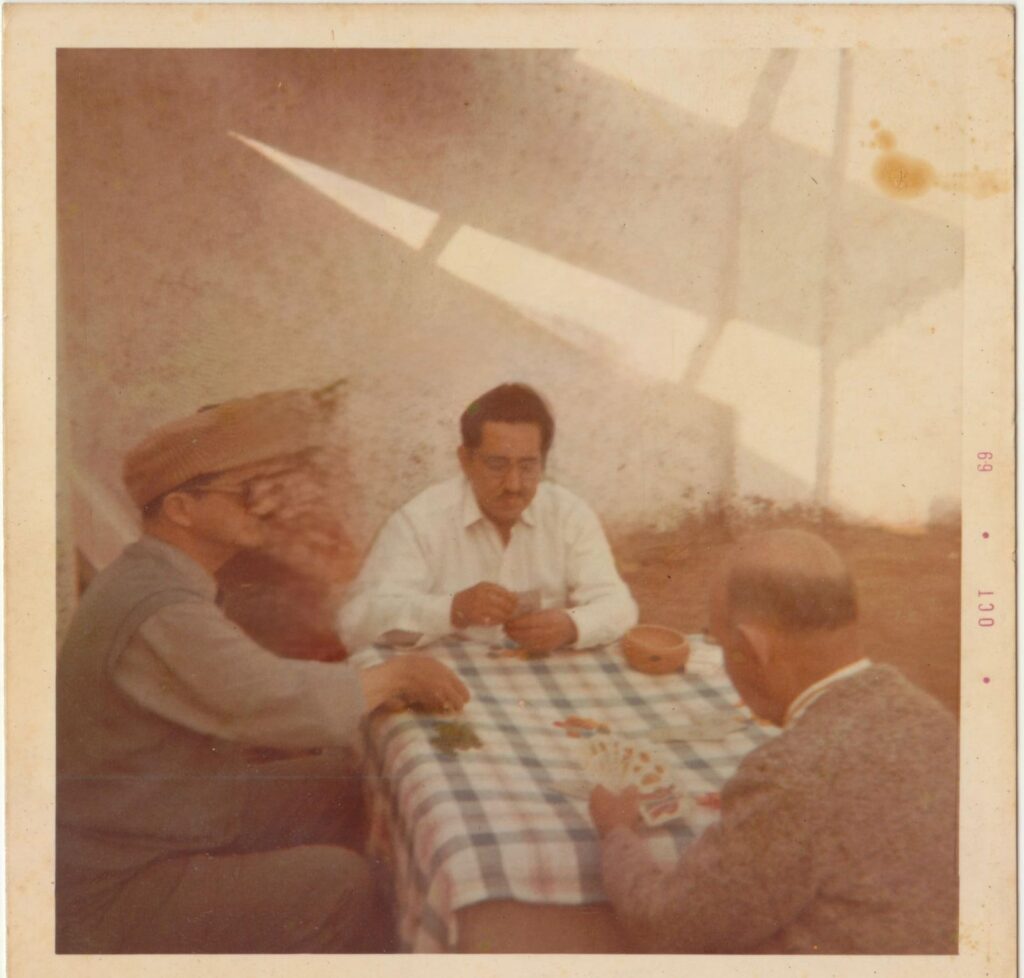
Rocambor is more than a card game—it is a vehicle for connection, memory, and family tradition in Peru. The story of the Carranza family is a clear example of how this game has transcended generations, strengthening bonds and creating lasting spaces for togetherness.
Don Tito Carranza, at the center of this story, first learned Rocambor in Cajamarca, a historic region in the northern highlands of Peru known for its strong family traditions and close-knit community life. His father was born in Cutervo, a province of Cajamarca, where Rocambor was a traditional game passed down from generation to generation.
In the mid-20th century, social life in Cajamarca often revolved around the home and community gatherings, where card games like Rocambor played an important role. In the 1960s, the family settled in Lima, where Tito deepened his connection to the game by watching his father and uncles play.
Like many in Peru at the time, he learned within the family. Those early experiences—observing and gradually joining games with relatives—laid the foundation for a tradition that would accompany him throughout his life.
Years later, after settling in Lima, Rocambor remained a central part of family life. The game table became a meeting point—not only for competition, but for storytelling, laughter, and meaningful shared moments.
In Tito’s own words:
“Like many of us, I learned to play Rocambor by watching our parents and uncles. A few years ago, when my father was still alive, my son organized tournaments with my father’s friends. We would gather 24 players across six tables at the same time.”
Over time, this family tradition evolved into more structured events. In 2004, together with his son Daniel, Tito helped organize tournaments at the Círculo Militar in Lima, specifically at its Av. Salaverry location. The Círculo Militar is a historic social and institutional center associated with the Peruvian Army, long known as a gathering place for officers, their families, and civilian guests. Throughout the late 20th century, it became an important venue for social, cultural, and recreational activities, including card games and community tournaments.
During the summer months, these gatherings took place once or twice a month, bringing together six tables of four players in an elimination format.
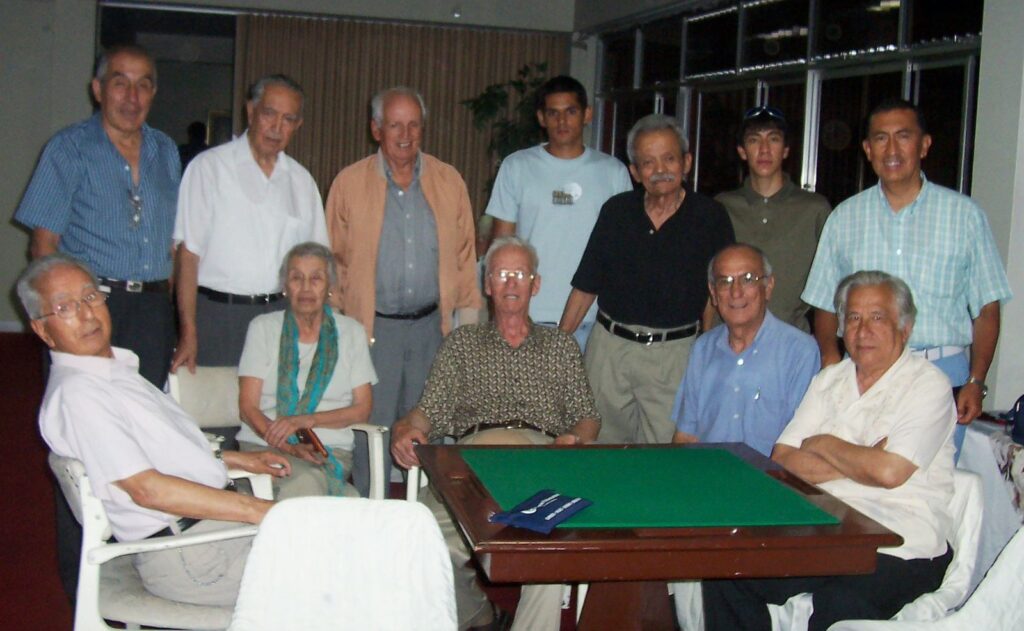
These tournaments stood out not only for their competitive level, but also for their strong social character. They included organized scoring, exciting finals, and shared refreshments—reinforcing the communal spirit that defines Rocambor.
Among the participants was Mrs. Tana, who at 92 years old displayed remarkable skill and even won several tournament dates. Her presence reflects one of Rocambor’s most powerful qualities: its ability to bring together generations, regardless of age.
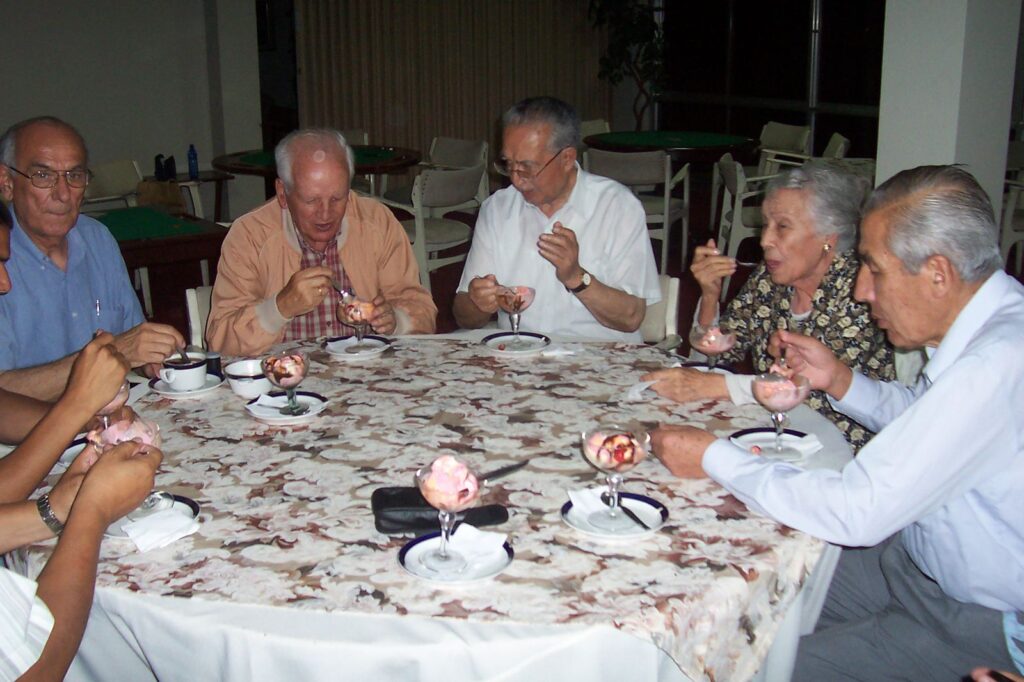
The Carranza family’s passion for Rocambor also extended across Lima’s network of regional clubs. They participated in tournaments at institutions such as the Club Provincia Lircay (Huancavelica) and the Club Provincial Cutervo (Cajamarca)—organizations based in Lima that reflect a long-standing Peruvian tradition of regional clubs serving as cultural and social hubs for their communities.
These clubs, often founded by migrants from provincial towns who settled in Lima while maintaining strong ties to their hometowns, play a vital role in preserving regional identity. They host social gatherings, traditional celebrations, and competitive events, including card tournaments, where games like Rocambor continue to thrive.
Through these tournaments, players connected to different regions come together, reinforcing not only the competitive spirit of the game but also a shared cultural heritage that links Lima with the provinces. In this way, Rocambor becomes more than a pastime—it becomes a bridge between communities, generations, and regional identities across Peru.
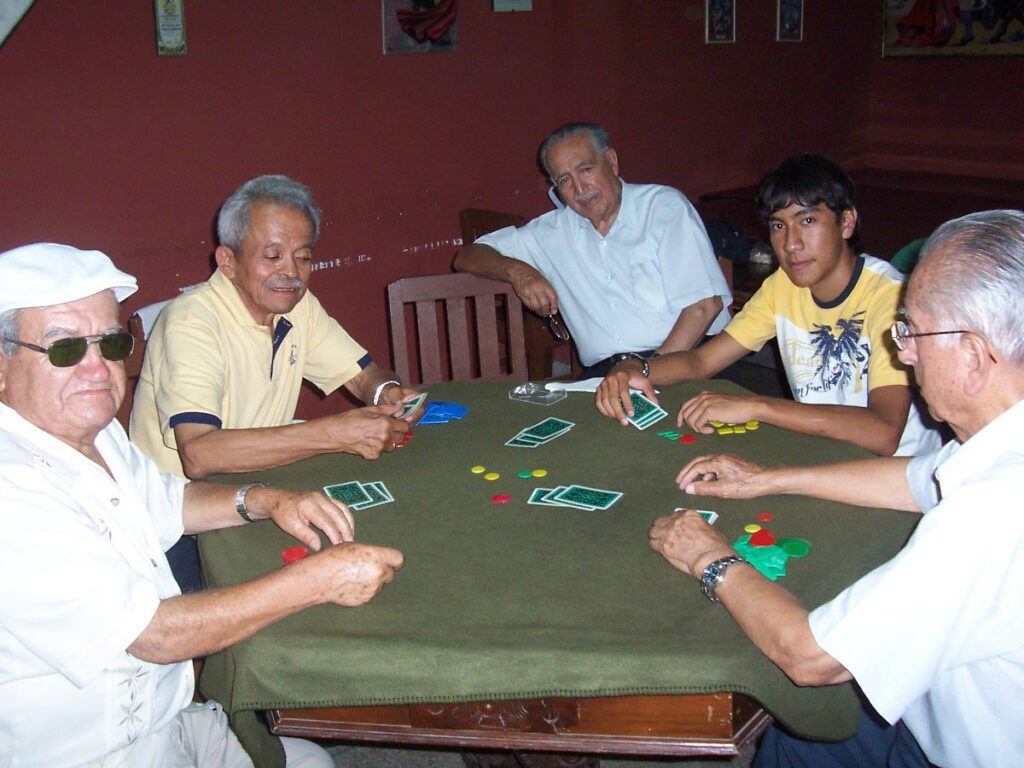
Family photographs further illustrate this legacy: father, wife, children, and nephews gathered around the table, united by the game. Each match becomes a bridge between generations.
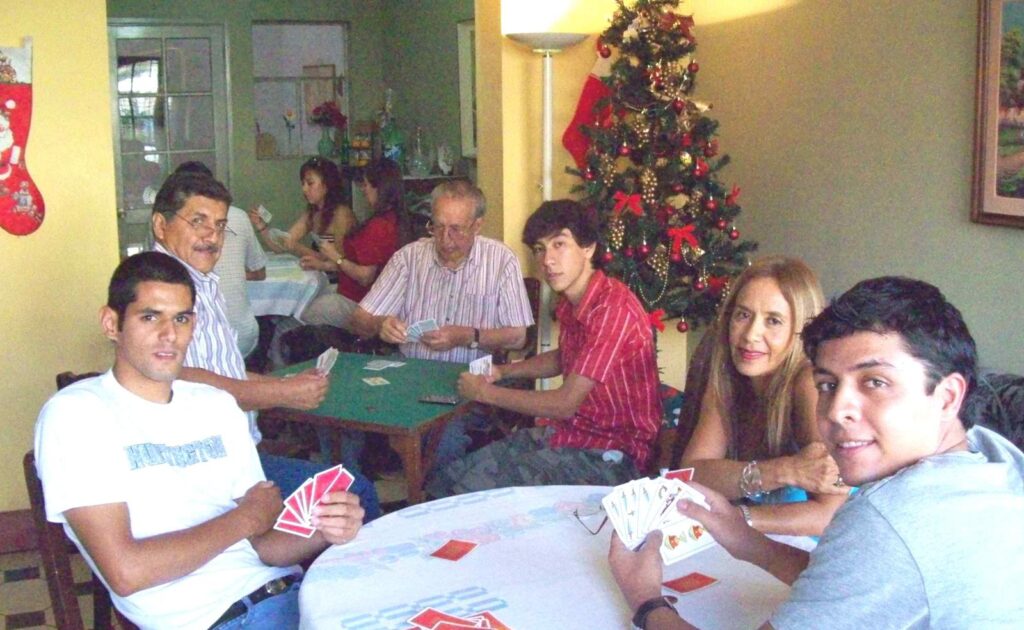
Within this environment, Daniel—emerged as one of the family’s strongest players during his university years, surpassed only by his grandfather. His role represents both continuity and evolution, as new generations embrace and elevate the game.
The story of the Carranza family reminds us that Rocambor is not simply a game. It is a living cultural expression, a space for connection, and a legacy passed from one generation to the next.
In every hand played, every tournament organized, and every table shared, Rocambor continues to write stories like theirs—stories of family, tradition, and community.
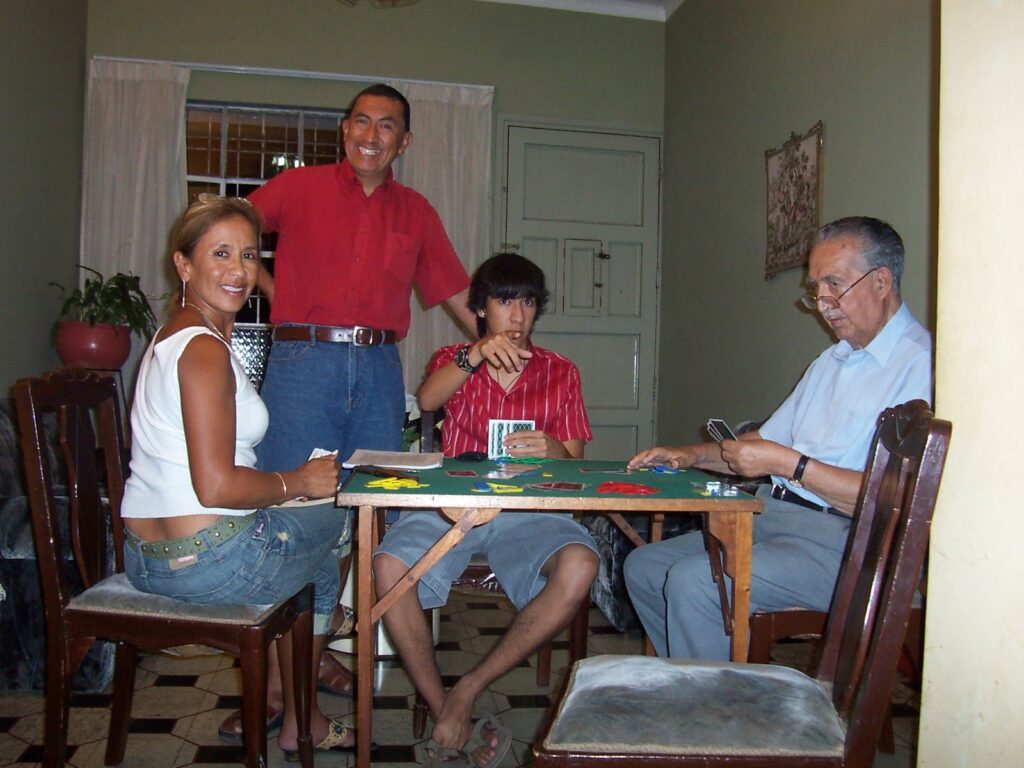
As an ambassador of Rocambor, I would like to extend my heartfelt thanks to Don Tito Carranza for generously sharing his story and the photographs that bring it to life. Through his memories, we not only preserve a family legacy, but also strengthen the collective history of Rocambor for future generations.