Rocambor: A Game,
A Family, A Journey Across Continents,
Written by Juan-Jose Rebaza Bustamante
San Diego, March 20, 2026
I was born in Lima in 1972, and at the age of three my family moved to Surco. An important part of my story was already rooted elsewhere—Barranco—where my mother’s family, the Bustamante, grew up. In that family, Rocambor was not just a pastime. It was part of life.
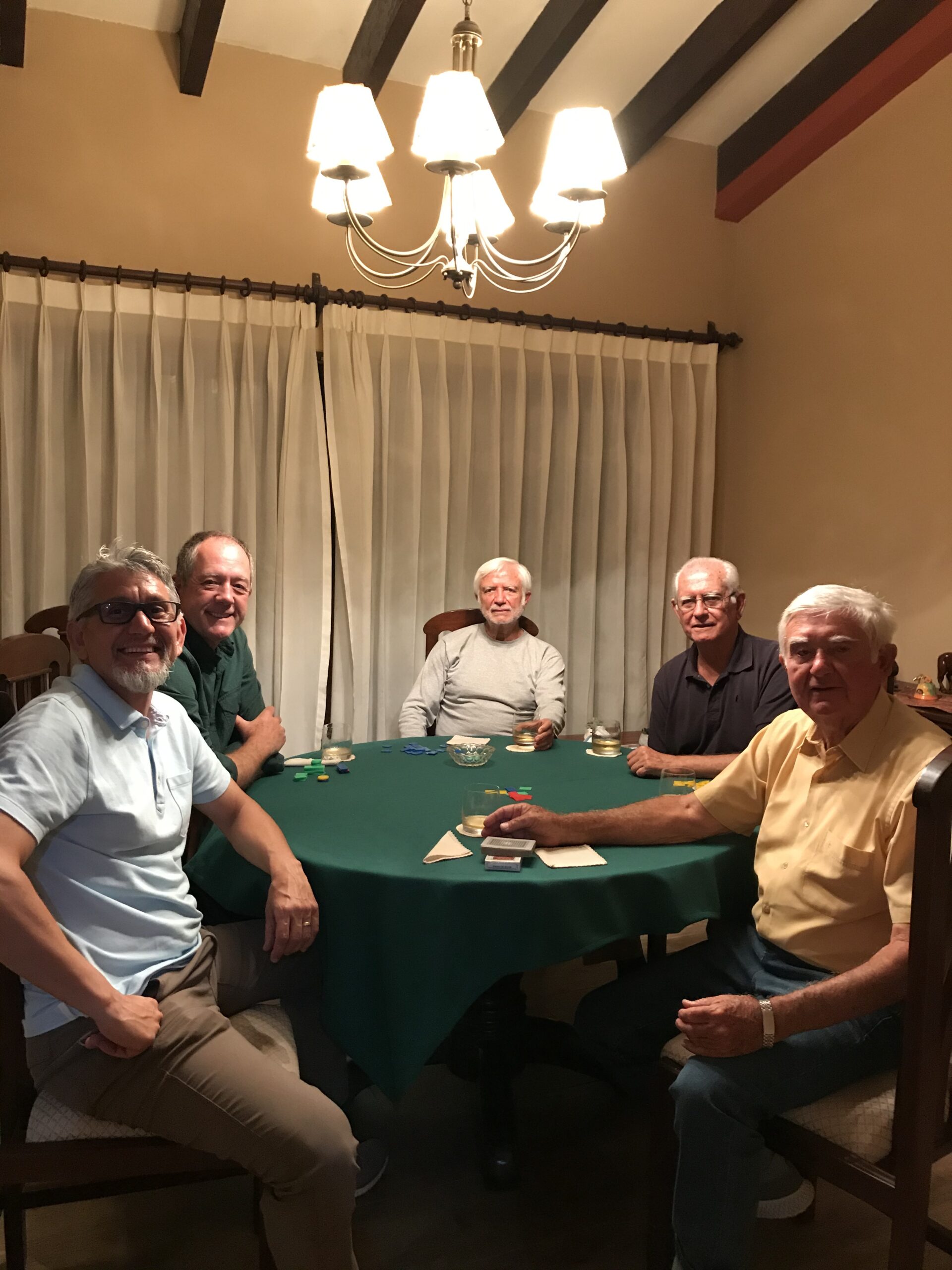
My first memories of Rocambor are not of playing, but of watching—of seeing unfamiliar cards and hearing expressions I did not yet understand. I remember sitting in our home in Surco, observing my mother and my uncles—Hernán, Carlos, Koqui, and Roberto—gathered around the dinner table.
My mother, an educator, has dedicated her life to eradicating illiteracy and helping anyone in need. My uncles, all engineers, each brought a distinct presence to the table. Hernán, the eldest, a true gentleman and a conservative Rocambor player. Carlos, the one with the deepest affection for the game—and the reason I would later become obsessed with it. Jorge aka “Koqui” (RIP), whom we lost just before COVID, played Rocambor the way he lived life: always with a smile, trusting in his instinct and his ability to win. Roberto, the youngest and perhaps the most strategic, always aware—quietly observing, and just when you think he is distracted, he knows exactly when to step in, whether as first contra or in a supporting role.
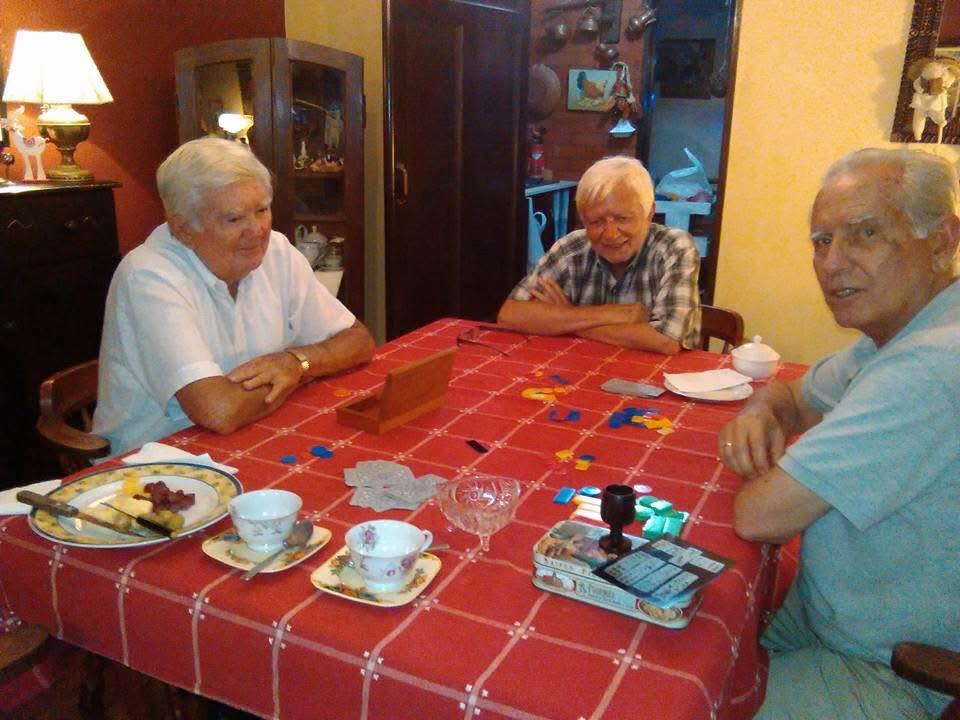
From left to right: Hernan, Roberto, Carlos
It has been a privilege to have them as my family, and I have learned immensely from each of them. In those early years—the 1970s and 80s—I did not understand the game, but I understood something deeper: the intensity, the pauses, the tone, and the respect behind every move.
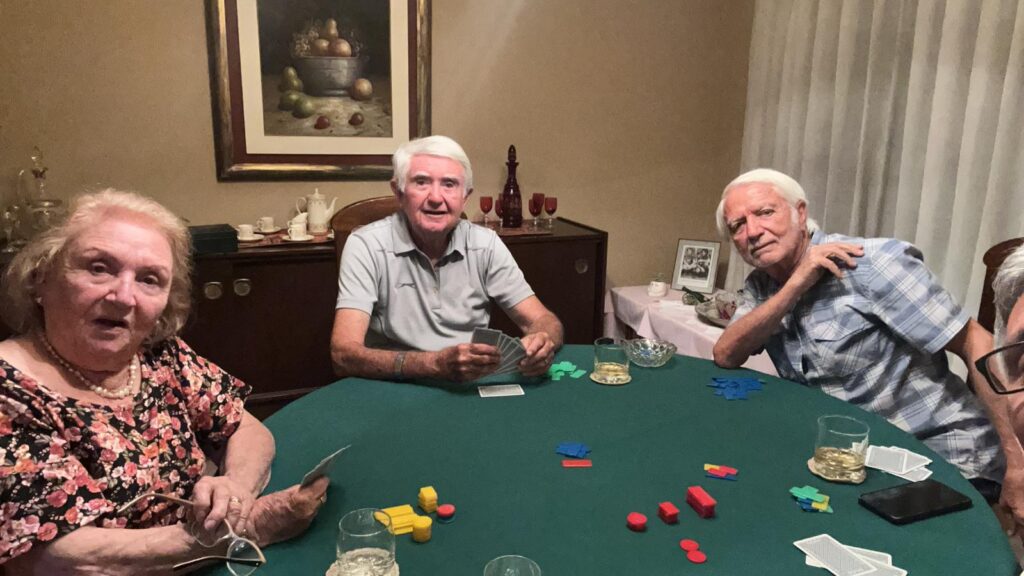
From left to right: Norma, Hernan, Roberto
No one explained the rules. You absorbed them.
Over time, life moved on and the game faded from regular play. But years later, my father, Juan-José Rebaza Carrera, developed an interest in Rocambor. He remembers wanting to learn the game alongside my uncle Carlos, and also recalls how my grandmother, Elena Dawson de Bustamante, would not allow distractions at the table. There was no room for jokes—she expected full attention and respect for the game.
True to his character, my father approached Rocambor methodically—researching the game, preparing cheat sheets, buying Spanish decks, and asking my uncle Carlos to teach him. He often tells me now that while others were fully immersed in the discipline of the table, he was there to enjoy the moment as well.
I remained on the outside, watching, always intrigued. Interestingly, to this day, my father never really played the game.
Rocambor has long held a certain mystique. Across Peru, Bolivia, Colombia, and Ecuador, it appears in novels and historical accounts. Some refer to it as the chess of playing cards. It is not a game of chance, but one of structure, discipline, and strategic awareness at every moment of play.
In 1998, I moved to San Diego. I still didn’t know how to play, but the curiosity stayed with me. I searched, read, and asked around, but never quite found a way to learn.
That opportunity came in 2010, when I returned to Lima.
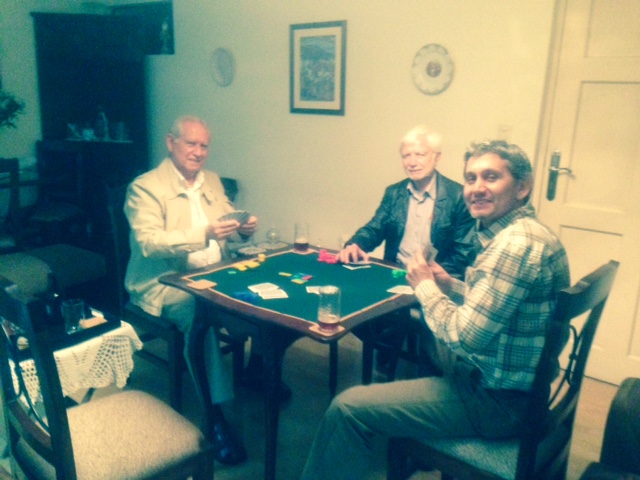
From left to right: Carlos, Roberto, Juan-Jose
Between 2010 and 2016, I began learning Rocambor under the guidance of my uncle Carlos. Those early sessions were not just lessons—they were an immersion into something much deeper.
At the table, it wasn’t only Carlos teaching. His daughter Cecilia was also learning, and alongside us was Ricardo Dawson, a cousin from my mother’s side. The four of us would sit together for weeks, hand after hand, learning the structure, the discipline, and the rhythm of Rocambor.
And the table itself mattered.
This was not just any table. It had been in my family for generations. According to our understanding, it once belonged to my great-grandfather, General Pedro Bustamante y García (1825–1885). On that very table, he is known to have played Rocambor with President Ramón Castilla y Marquesado (1797–1867)—military leader and three-time President of Peru, who was known to have a deep appreciation for the game. Rocambor was part of the world they shared, a game present in both social and political circles of the time.
Its cultural footprint extended well beyond the table. Ricardo Palma, in his Tradiciones Peruanas, makes multiple references to Rocambor, reflecting how deeply embedded the game was in Peruvian society.
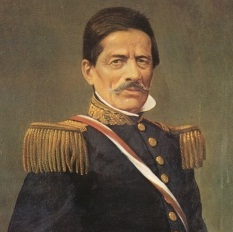
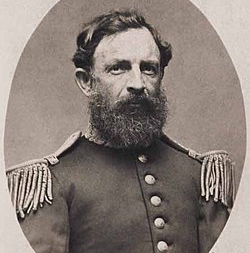
So while we were learning the game, we were also sitting in the middle of history.
After many lessons, I was invited to join the Wednesday night games at the home of Dr. Ricardo Luna (RIP), a lifelong friend of my uncle Hernán. Those evenings became a defining part of my learning.
The table usually included Dr. Luna, Hernán, Carlos, and myself. Occasionally, Jhony Thornton would join. I found myself surrounded by players who brought not only experience, but a deep respect for the game.
Every Wednesday required preparation. I would leave work early, pick up something to share, and make sure I arrived in Miraflores on time—never late. The setting reflected the seriousness of the game. We played in a penthouse game room, around a round table covered in green cloth, each player with a small side table for drinks and food.
Conversation was minimal. Focus was expected. If attention drifted, Dr. Luna would calmly ask:
“¿Estamos aquí para jugar?”
We are here to play?
And the table would reset.
At some point in the evening, he would ring a wireless bell, and his assistant would bring refreshments upstairs. The ritual was simple and consistent, reinforcing the discipline and rhythm of the game. In Rocambor, every decision carries weight.
Rocambor meets Whatsapp
When I returned to San Diego in 2016, I was determined not to stop playing—especially on Wednesdays.
Between 2016 and 2020, I continued traveling to Peru two or three times a year, always making time to play with my uncles. To my surprise, my uncle Roberto began playing again. The game was coming back.
But when I was in San Diego, I needed a way to stay connected.
So we found one.
We began playing Rocambor using WhatsApp.
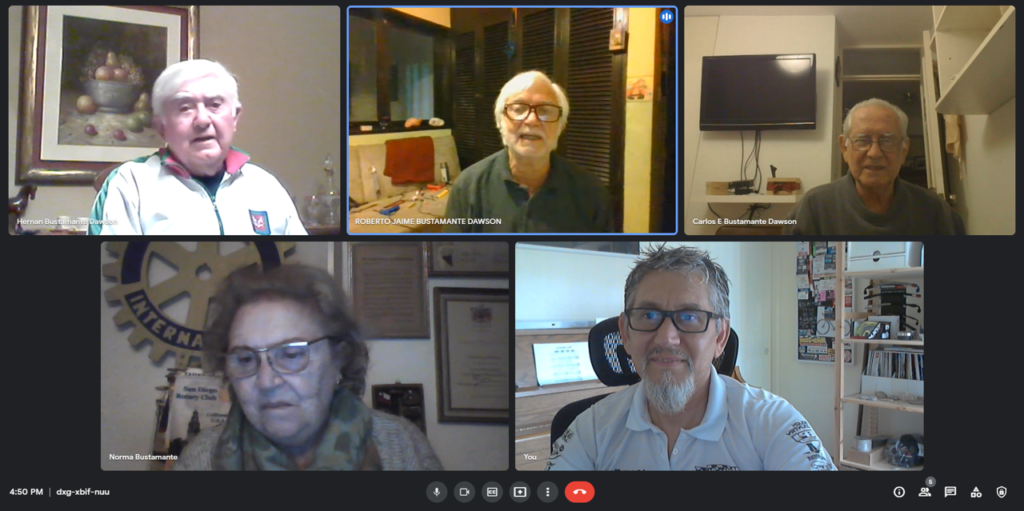
Top left to bottom: Hernan, Roberto, Carlos, Norma & Juan-Jose
Each of us had our own deck of cards—my mum and uncles in Lima, each in their own home, and myself in San Diego. The dealer would physically deal the cards, take a picture of each player’s nine cards, and send them individually via WhatsApp. Then we would connect through Google Meet. Each player would show their card on camera as they played. It sounds complicated—but it worked.
In fact, it worked beautifully.
What started as a workaround became something extraordinary. We had recreated the table across continents. We had preserved the rhythm, the discipline, and the connection.
For me, spending two hours on a Google Meet playing Rocambor with my uncles was a luxury of life.
And somehow, we all became experts at dealing and playing through WhatsApp and video.
Rebuilding the Table in San Diego
Then came COVID-19.
Travel stopped. Gatherings stopped. The table disappeared.
But the game did not.
I decided on two approaches:
- Teach people in San Diego
- Find a way to play online
The first path began with a bag.
Before leaving Lima, Dr. Ricardo Luna gave me a box of chips and a box of Spanish playing cards. It was a simple gesture, but it carried meaning. I understood it as a responsibility—to continue the game.
I put together a bag with everything needed to play: cards, chips, and rules. Years earlier, a former coworker from my time in the shoe industry, Madhu Sanon, had given me a gift that came in a box from India. I kept the box and repurposed it—covering it in a rich orange fabric, adding a leather-and-bronze latching system, and creating custom compartments for the chips and cards.
I then worked closely with my uncle Carlos to translate the rules he had written, and over time, my mother became the editor of the version we now use in San Diego.
Along with the essentials I needed something for the widow, my mother entrusted me with something far more meaningful—a historic ashtray that had accompanied Rocambor games in our family for generations. More than an object, it came with a written chronicle in her own words, preserving its story:
“Chronicle of the historic ashtray, a gift for Juanjo, destined to accompany the spirited family rounds of Rocambor. Traditionally, a pot is formed to be played at the end, and this pot is affectionately named ‘la viuda’ (the widow).
It has always held its place in the living room of my home. Since my childhood, I remember seeing it, an ornate ashtray gracing the Rocambor table. Whether in the House of Independence, Quinta Isabel, or Manuel Segura in Barranco, Lima – Peru, it has witnessed the camaraderie of the family. It has been a part of the games played with Mr. and Mrs. Macera, neighbors of the Castañeda family, or with Felipe Irigoyen in the 1940s and 1950s.
Crafted from Czech glass, meticulously preserved, it tells tales of countless laughter and friendly competition. It must be at least 80 years old, a timeless witness to the joys of Rocambor nights.
My father never smoked, but the other gentlemen did. In November 2021, as we treasure this heirloom, I, Norma Bustamante Dawson, reflect on the rich history embedded within this cherished ashtray.”
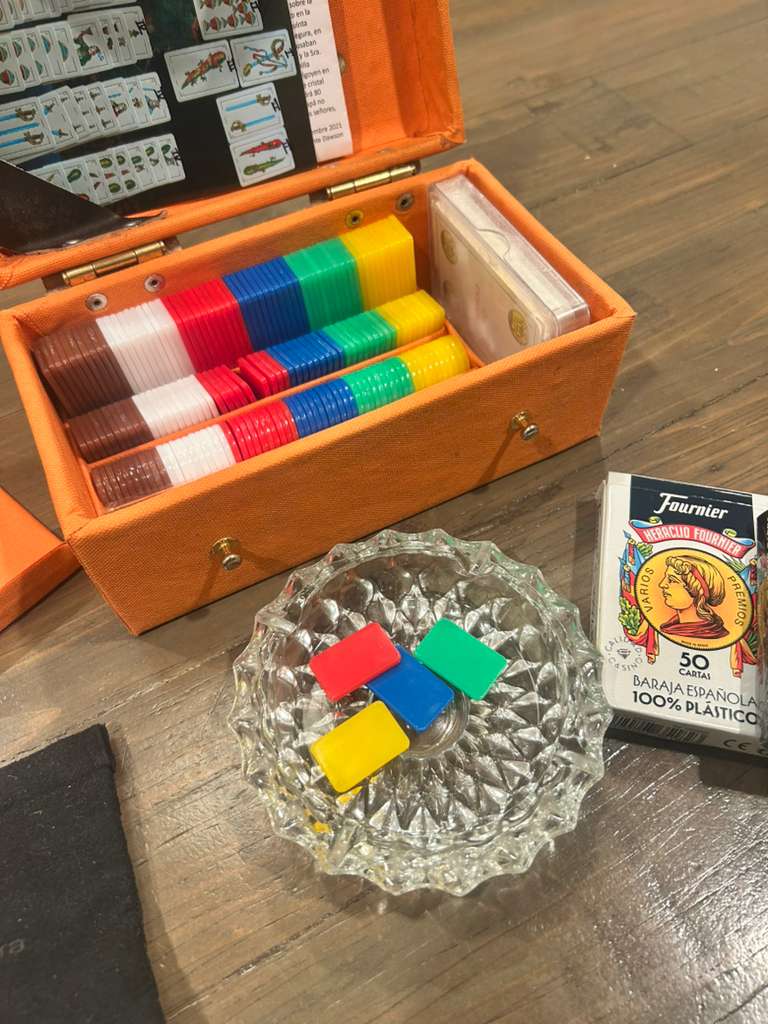
Bringing that ashtray to San Diego meant bringing more than a memory. It was a continuation of the same table, the same rituals, and the same history—now carried forward in a different place.
Now I had everything—except players.
The first to join was Glenn Miller.
Glenn comes from a poker background. He understands odds, reads people well, and doesn’t shy away from pressure. Rocambor intrigued him immediately, but it also challenged him. Poker rewards aggression; Rocambor demands patience and control. Over time, Glenn adapted and developed a strong feel for the game.
Next came Paul Norton.
Paul is a British Engineer—measured, analytical, and not easily convinced. Introducing him to Rocambor required persistence, but once he understood its depth, he committed fully. He plays with discipline, taking his time and making deliberate decisions.
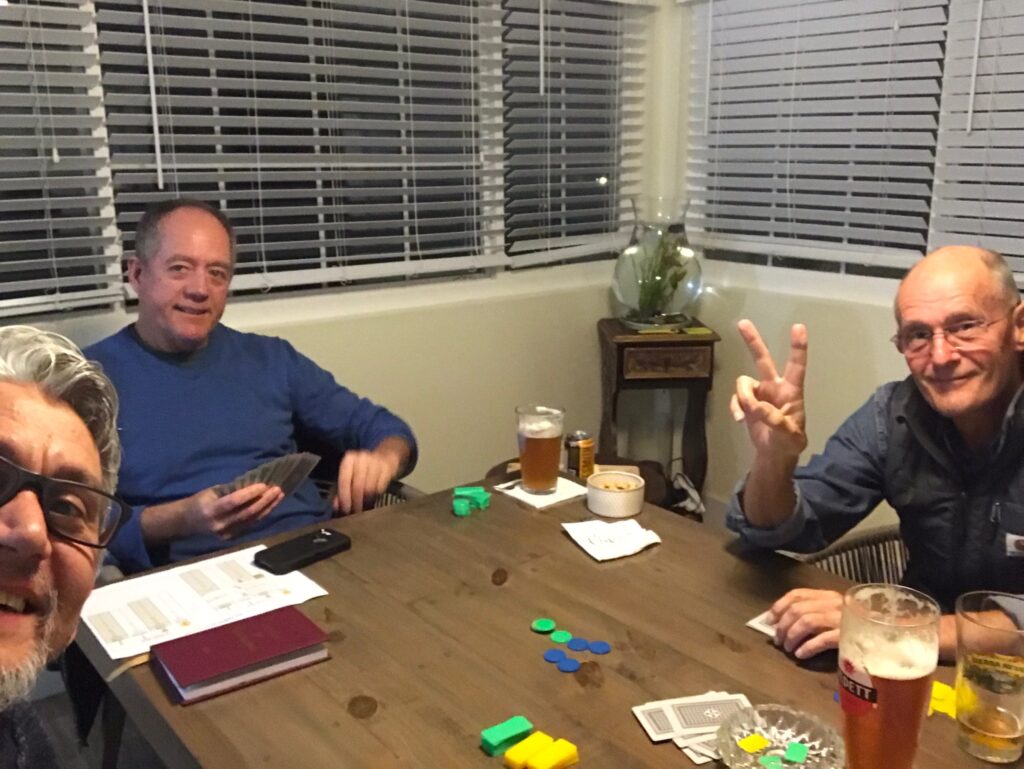
From left to right Juan-Jose, Glenn & Paul
Then came Vikram Kanodia and Damanjit Singh.
Both picked up the mechanics quickly, but more importantly, they understood the rhythm of the game.
Vikram arrived unconvinced, but he learned quickly, often noting that in India they have similar games. He plays with balance and patience, carefully calculating risk, observing closely, and tracking which cards have been played before making his move.
Damanjit has been my fastest-learning student—within just a few hours, he was already winning tricks and pots. He brings a sharp, instinctive approach to the game, reading situations quickly and taking calculated risks when needed. That sharpness may come from his engineering background, or perhaps from his calm, peaceful, and positive approach to life.
Finally came Jake Munger.
Jake is the most methodical of all. He is the only one who has read the rules in full detail, and he has become my reference point whenever questions arise about rules or payments during the game. His presence adds clarity and structure to every session.
What began as a few players became a table. What began as a table became a Rocambor family.
Today, in San Diego, we play regularly—typically once a month, rotating homes. Each setting is different, but the structure and discipline of the game remain constant.
Some nights are quiet. Others are intense. But every time, Rocambor proves itself again.
A Global Table
While I was teaching friends in San Diego, I kept searching for a better way to play online. Using WhatsApp and Google Meet, it could sometimes take up to 15 minutes just to deal the cards. That’s when I came across the Dansk L’Hombre Union and began reaching out. Eventually, I received a reply—from Hans Otto Lunde, writing directly from Denmark.
Hans Otto had grown up playing L’Hombre, a game essentially identical to Rocambor. His brother Sten had first watched their father play, much as I had once watched my mother and uncles. In time, Sten learned the game and passed it on to Hans Otto—and from there, the tradition continued.
In Denmark, the game is played competitively, with organized tournaments. True to his nature, Hans Otto sought not just to play, but to understand and refine the game. He developed an online application designed for both play and practice—one that allowed players to see one another, replay hands, and analyze decisions by discussing the best possible outcomes.
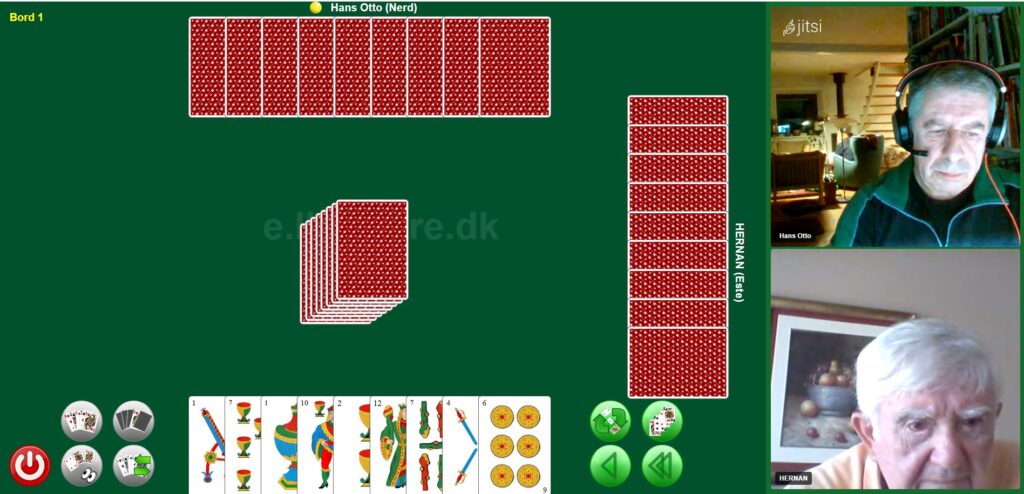
From top to bottom Hans Otto, Hernan
Later, Hans Otto offered to adapt the platform so we could play using Spanish suits. That was a turning point. For the first time, we were playing Rocambor online—properly—and consistently. Wednesday nights were back.
Between 2020 and 2022, that application became our table.
Hans Otto in Denmark.
His brother Sten.
My uncles in Peru.
And myself in San Diego.
At the same time, I continued searching for more players. I wrote, posted, and commented across every social media platform I could find, announcing that we now had a way to play online.
One day, someone from Peru reached out. That’s how I met Andrés Lanao. If Hans Otto is my L’Hombre brother in Denmark, then Andrés is my Rocambor brother in Peru. From our very first conversations, I knew he shared the same level of passion—if not more—for the game. Suddenly, we had a new challenge: more than four players. The app only allowed four at a time, so every Wednesday became a matter of timing, coordination, and sometimes luck—whoever logged in first, played. For years, we played like this—connected by screens, but fully immersed in the game. And then, recently, during a trip to Peru, I finally met Andrés in person. He had his own story—his own uncles, his own table, his own Rocambor history.
Different paths, same game.
Today, the world has opened again.
I travel to Peru often and always make time to gather and share a few hours of Rocambor with people I deeply respect and cherish. In San Diego, we continue to play regularly, typically once a month.
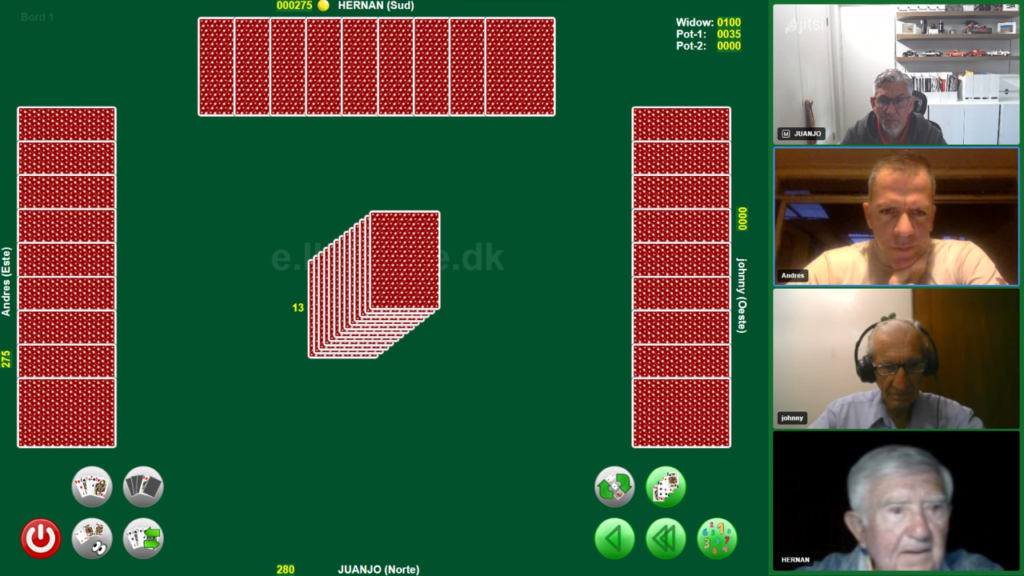
From top to bottom Juan-Jose, Andres, Jhonny, Hernan
But now, the vision has grown.
Hans Otto and I share a common goal: to create an International L’Hombre / Rocambor Association—a way to preserve the game, align rules, and connect players across countries and generations.
While Rocambor has survived for centuries through tradition, its future may depend on structure.
We want the game to return to families.
To tables.
To conversations.
To new generations.
L’Hombre / Rocambor has traveled from Barranco to Surco, from Lima to San Diego, from Spain to Peru and Denmark, from wooden tables to digital platforms and back again.
It has crossed time, geography, and language.
And it continues.
Because L’Hombre / Rocambor is not just a game.
It is a tradition.
And as long as there are players willing to sit, deal, and learn, the game will always begin again.
I look forward to the day when players from all over the world gather—across every country—to play L’Hombre / Rocambor.
Yours truly,
Juan-José Rebaza Bustamante